Describe the meal.
Tell us what you are celebrating, when guests eat, the venue and estimated numbers. Explain whether this is the main meal, evening food or part of another food plan.
Bring the food, the people and the place into one plan.
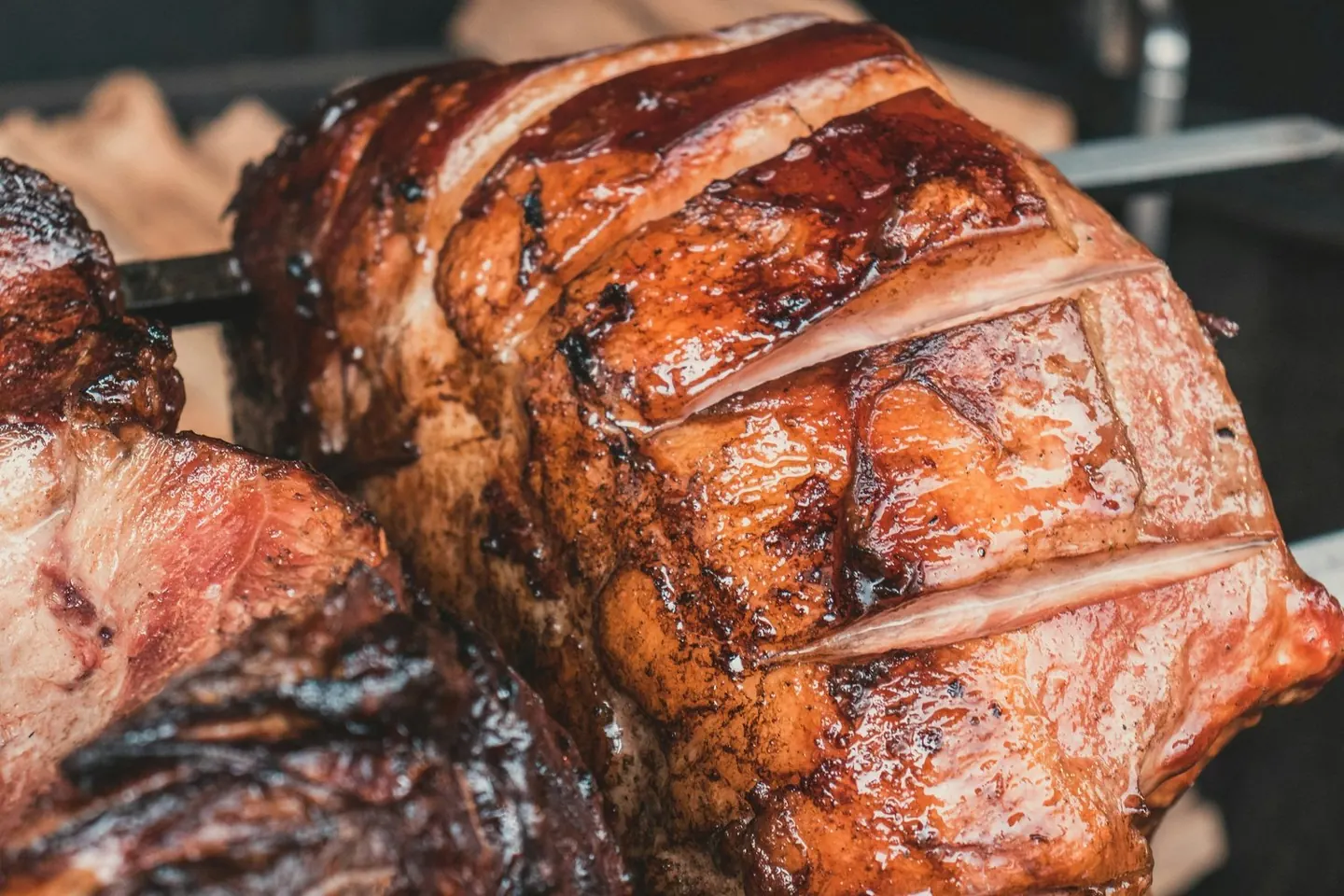
Tell us what you are celebrating, when guests eat, the venue and estimated numbers. Explain whether this is the main meal, evening food or part of another food plan.
Start with the roast and accompaniments, either three salads or seasonal vegetables, and one potato. Discuss one vegetarian/vegan alternative, portion requests and any intolerance before booking.
Agree cooking permission, arrival, the working position and suitable electricity. Add guest collection, eating space and any weather alternative to the same outline.
The written proposal sets the menu, provision, service, staffing, equipment, travel, extras and price. Booking documents explain payment and confirmation.
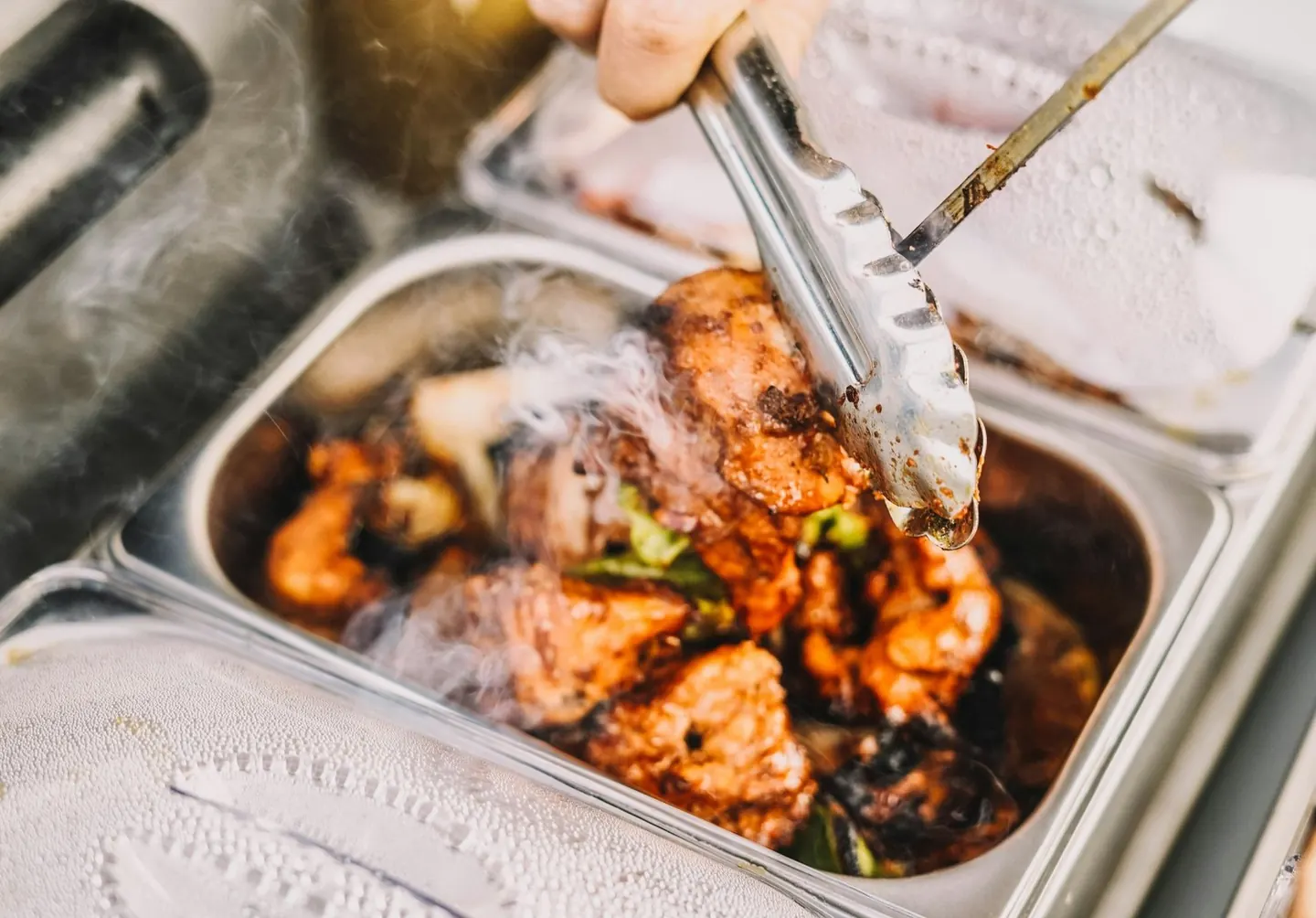
Chefs carve the roast and staff help serve the accompanying dishes within the agreed arrangement. Match the food window to guest arrival, speeches or staff breaks, and tell guests where to collect.
Service ends at the booked food quantity or the end of the agreed period, whichever happens first. Additional time or provision is not automatic.
Serving equipment, guest furniture, utilities, guest waste and venue handback belong to different parts of the event. A simple responsibility list helps the venue and catering team identify gaps before the day.
The time guests should eat is only one part of a hog roast timetable. The published menu describes meat roasted from scratch at the venue, so access, preparation and setup must be discussed alongside serving. Ask for event-specific timings rather than assuming an arrival time, cooking duration or standard number of service hours.
Explore Separate arrival and setup from your food service time →02Think through the guest journey without promising a particular serving speed or queue length.
Explore Plan the route through your hog roast buffet →03Use explicit duties in the quote, because clearing the catering setup and cleaning the whole venue are different jobs.
Explore Agree hog roast clearing and waste responsibilities →Review your menu and optional event details in a local brief. Nothing is sent or booked.
Build my meal brief →